
WEATHER • CLIMATE • NORTH COAST
Dominican Republic Weather
Year-round sunshine, warm temperatures and a tropical climate shaped by Atlantic trade winds.
YEAR-ROUND TROPICAL CLIMATE
What Is the Weather Like in the Dominican Republic?
Dominican Republic weather is warm and tropical throughout the year, with plenty of sunshine and relatively small changes in temperature from season to season. Along the North Coast, including Puerto Plata, Sosúa and Cabarete, the Atlantic Ocean, steady trade winds and surrounding mountains all help shape the local weather.
Temperatures remain warm year-round, but the climate is more comfortable and varied than the word tropical sometimes suggests. Humidity changes significantly throughout the day, rainfall often comes in relatively short periods rather than continuous all-day rain, and even during the Atlantic hurricane season, most days experience normal tropical weather.
That is why looking only at annual rainfall totals, average humidity or the dates of hurricane season can give a misleading picture of what the weather is actually like.
The North Coast is a year-round destination — warm, green and tropical, with outdoor weather in every season.
YEAR-ROUND
Warm tropical temperatures
ATLANTIC TRADE WINDS
Regular coastal breezes
12 MONTHS
Outdoor living year-round
TEMPERATURES THROUGHOUT THE YEAR
Warm Weather in Every Season
One of the biggest advantages of the Dominican Republic’s North Coast is how little temperatures change throughout the year. There is no true winter — just a slightly cooler season and a warmer summer season.
Around Puerto Plata, Sosúa and Cabarete, daytime temperatures are typically warm enough for beaches, pools and outdoor living throughout the year, while evenings become pleasantly cooler during the winter months.
JAN
☀️ Avg. High
26°C / 79°F
🌙 Avg. Low
22°C / 71°F
FEB
☀️ Avg. High
26°C / 79°F
🌙 Avg. Low
22°C / 71°F
MAR
☀️ Avg. High
27°C / 80°F
🌙 Avg. Low
22°C / 71°F
APR
☀️ Avg. High
27°C / 81°F
🌙 Avg. Low
23°C / 73°F
MAY
☀️ Avg. High
28°C / 83°F
🌙 Avg. Low
24°C / 74°F
JUN
☀️ Avg. High
30°C / 85°F
🌙 Avg. Low
25°C / 76°F
JUL
☀️ Avg. High
30°C / 85°F
🌙 Avg. Low
25°C / 77°F
AUG
☀️ Avg. High
30°C / 86°F
🌙 Avg. Low
25°C / 77°F
SEP
☀️ Avg. High
30°C / 86°F
🌙 Avg. Low
25°C / 77°F
OCT
☀️ Avg. High
29°C / 85°F
🌙 Avg. Low
25°C / 76°F
NOV
☀️ Avg. High
27°C / 81°F
🌙 Avg. Low
23°C / 74°F
DEC
☀️ Avg. High
27°C / 80°F
🌙 Avg. Low
23°C / 73°F
Puerto Plata climate averages, 1991–2021. Temperatures rounded to the nearest degree.
No Winter Weather
Even during the coolest months, average daytime highs on the North Coast remain around 26°C / 79°F. From the coolest to the warmest months, average highs vary by only about 4°C / 7°F.
RAINFALL & RAINY SEASON
Dominican Republic Weather: When Is the Rainy Season?
The Dominican Republic does not have one single rainy season that affects every part of the country in exactly the same way. Rainfall patterns vary considerably by region, and the North Coast has its own seasonal pattern influenced by the Atlantic Ocean, trade winds and surrounding mountains.
Around Puerto Plata, Sosúa and Cabarete, rainfall generally increases during the late fall and winter months, while summer tends to be comparatively drier. Even during wetter months, however, a monthly rainfall total does not tell you how many hours of sunshine you can expect—or whether the rain fell during the day or overnight.
69 mm
JAN
53 mm
FEB
66 mm
MAR
72 mm
APR
90 mm
MAY
50 mm
JUN
40 mm
JUL
53 mm
AUG
82 mm
SEP
95 mm
OCT
99 mm
NOV
73 mm
DEC
Puerto Plata climate averages, 1991–2021.
DRIEST MONTH
July — 40 mm
About 8 rainy days
WETTEST MONTH
November — 99 mm
About 14 rainy days
YEAR-ROUND SUNSHINE
7–11 hours/day
Average daily sunshine
Rainy Season Doesn't Mean Rain All Day
A “rainy day” simply means measurable precipitation occurred during that day. It does not mean it rained continuously. Even during the wetter months, periods of rain can be followed by sunshine and normal outdoor weather.
HUMIDITY & COMFORT
How Humid Is the Dominican Republic?
The Dominican Republic has a tropical climate, so humidity is naturally part of the weather. But a single daily humidity percentage can be misleading because relative humidity changes considerably as temperatures rise and fall throughout the day.
Humidity is typically highest overnight and around sunrise, then falls as the day warms. This means an early-morning reading can make a destination sound much more humid than it actually feels during the afternoon.
On the North Coast, regular Atlantic trade winds also create coastal breezes that can make warm tropical temperatures feel more comfortable, particularly around Puerto Plata, Sosúa and Cabarete.
EARLY MORNING & NIGHT
Humidity Rises
As temperatures cool, relative humidity generally rises. Overnight and early-morning readings can therefore be considerably higher than daytime readings.
DAYTIME
Humidity Falls
As temperatures rise, relative humidity generally falls. Coastal trade winds and daytime breezes also keep the air moving along much of the North Coast.
This daily pattern helps explain something many North Coast property buyers notice immediately: most homes don’t have central air conditioning.
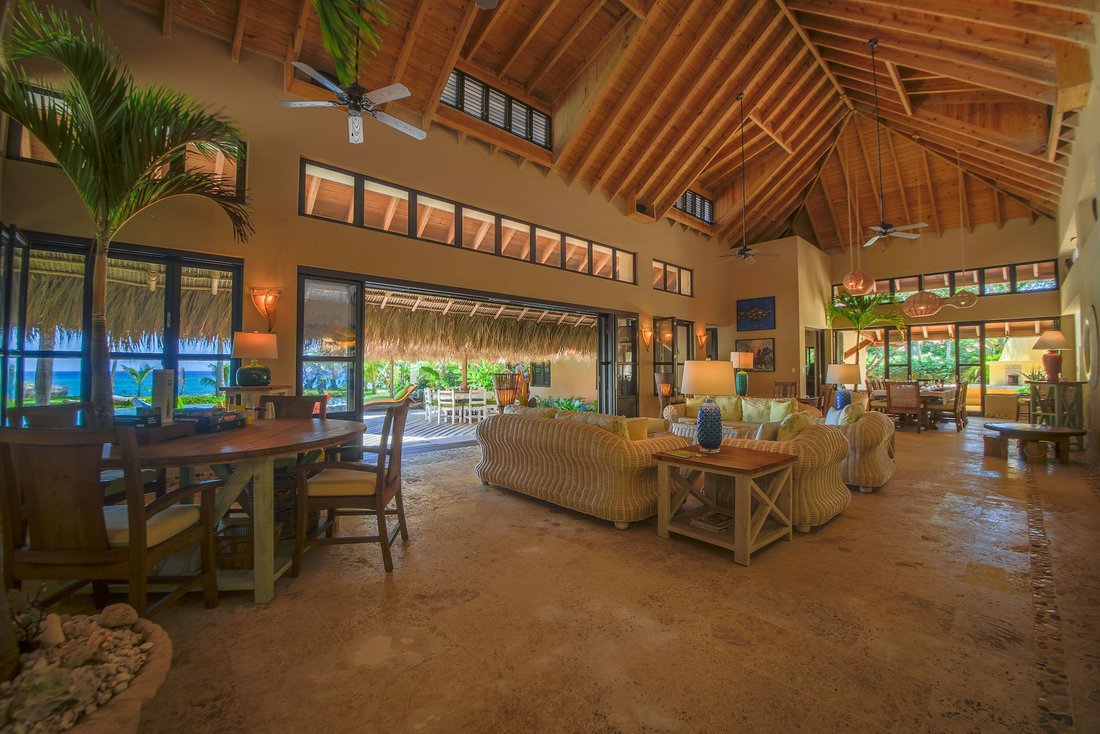
DESIGNED FOR TROPICAL LIVING
Why Don't Most North Coast Homes Have Central Air?
One of the questions buyers often ask on the North Coast is why many homes don’t have central air conditioning. Instead, it is common to find individual AC units in the bedrooms while the main living areas are designed to open naturally to the outdoors.
During the day, relative humidity typically falls as temperatures rise, while Atlantic trade winds and coastal breezes help keep the air moving. Large doors, windows and covered terraces allow many homes to take advantage of this natural airflow.
At night, temperatures cool, relative humidity typically rises and daytime breezes can become lighter. This is when air conditioning becomes most useful. Bedroom doors are closed and individual AC units cool the rooms for comfortable sleeping without air-conditioning the entire house.
Open-Air Living by Day. Air-Conditioned Comfort by Night.
A different approach to climate control—one designed around the North Coast’s tropical lifestyle.
HURRICANES & TROPICAL STORMS
What Is Hurricane Season Really Like in the Dominican Republic?
Hurricane season is one of the most common concerns for people considering a vacation, home or investment property in the Dominican Republic. The official Atlantic hurricane season runs from June 1 through November 30, with tropical activity historically reaching its peak around September.
But those dates describe hurricane activity across the entire Atlantic basin—not the likelihood of a hurricane affecting one particular location. A storm forming thousands of kilometres away in the Atlantic is still counted as part of the same hurricane season, even if it never approaches the Dominican Republic.
For someone considering the North Coast, the more useful question is not simply “When is hurricane season?” but “How often does severe tropical weather actually affect Puerto Plata, Sosúa and Cabarete?”
JUNE 1 – NOVEMBER 30
Official Atlantic hurricane season
SEPTEMBER 10
Historical peak of Atlantic activity
THE ENTIRE ATLANTIC
Season statistics cover a vast geographic area
Atlantic Hurricane Season vs. North Coast Risk
Hurricane season covers the entire Atlantic basin, but for someone considering a home or investment property on the North Coast, the more relevant question is much more specific: For someone considering the North Coast, the more useful question is not simply “When is hurricane season?” but “How often does a hurricane actually make direct landfall on the North Coast?”
The historical record provides a remarkable answer. During the 100-year period from 1926 through 2025, there was no direct hurricane landfall on the Puerto Plata–Sosúa–Cabarete section of the North Coast.
Hurricanes have affected other parts of the Dominican Republic during this period, and the North Coast can still experience rain, wind and rough seas from storms passing elsewhere. But those events are not the same thing as a hurricane making a direct landfall here.
100 YEARS
NO DIRECT HURRICANE LANDFALL
Puerto Plata • Sosúa • Cabarete
1926–2025
Based on NOAA historical Atlantic hurricane landfall records.
Why This Matters
The Dominican Republic is often discussed as though hurricane risk is the same everywhere in the country. The historical record shows why location matters.
A hurricane making landfall in eastern or southern Dominican Republic may generate headlines saying that a hurricane “hit the Dominican Republic,” even though the center of the storm never crossed the North Coast. Hurricane Fiona is a recent example: NOAA records its 2022 Dominican Republic landfall at approximately 18.4°N, 68.5°W in the eastern Dominican Republic, far from Puerto Plata, Sosúa and Cabarete.
For North Coast buyers, looking at the actual location of historical hurricane landfalls provides much more useful context than simply knowing that the property lies within the Atlantic hurricane region.
A Century of Perspective
Hurricane season is real, but geography matters. The Puerto Plata–Sosúa–Cabarete North Coast went through the entire 100-year period from 1926 through 2025 without a direct hurricane landfall.
That historical record does not mean a future hurricane is impossible, but it provides important context for understanding the actual hurricane history of the area rather than judging North Coast risk from Atlantic-wide hurricane-season statistics.
BEST TIME TO VISIT
When Is the Best Time to Visit the Dominican Republic?
There really isn’t one “best” time to visit the Dominican Republic. The better question is what kind of weather and experience you prefer.
On the North Coast, temperatures remain warm throughout the year, so there is no season when beaches, pools and outdoor living suddenly stop. What changes from month to month is the combination of temperature, rainfall, humidity, sunshine and visitor activity.
That means different times of year can be attractive for different reasons—from the slightly cooler winter months to the warmer, comparatively drier summer period.
DECEMBER – FEBRUARY
Cooler & Comfortable
Warm days with some of the coolest evenings of the year. A popular period for escaping colder northern climates.
Avg. highs around 26–27°C / 79–80°F
MARCH – MAY
Warm & Transitional
Temperatures gradually rise toward summer while the North Coast remains warm enough for beaches and outdoor living every day.
Avg. highs around 27–28°C / 80–83°F
JUNE – AUGUST
Warmest & Comparatively Drier
The warmest part of the year also includes some of the North Coast’s lowest monthly rainfall totals. July is the driest month in the Puerto Plata climate data we’ve used.
Avg. highs around 30°C / 85–86°F
SEPTEMBER – NOVEMBER
Warm with More Rain
Temperatures remain tropical, while rainfall generally increases heading into October and November.
Avg. highs around 27–30°C / 81–86°F
So, When Should You Come?
For cooler temperatures: December through February
For the warmest weather and lower rainfall: June through August
For year-round beach and pool weather: Any month of the year
For prospective property buyers, there can actually be an advantage to visiting outside the traditionally popular winter months. You get to experience the North Coast under different seasonal conditions and see what everyday tropical living feels like beyond the peak travel season.
NORTH COAST WEATHER
Weather in Puerto Plata, Sosúa & Cabarete
Puerto Plata, Sosúa and Cabarete are all located along the Dominican Republic’s North Coast and share the same warm tropical climate. Because the three communities are relatively close together, there are no dramatic differences in seasonal temperatures between them.
What can change from place to place—and even from one part of the day to another—is the amount of cloud cover, rainfall and wind. The Atlantic Ocean, coastal trade winds and the mountains immediately south of the coast all influence local conditions.
For someone considering where to live on the North Coast, the differences are therefore less about choosing a “warmer” or “cooler” town and more about location, exposure to the breeze and the lifestyle each area offers.
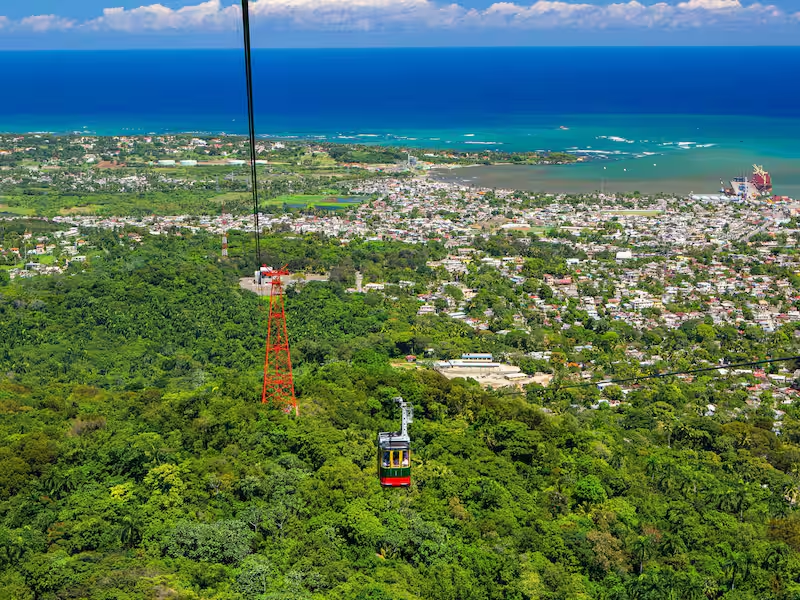
PUERTO PLATA
City, Coast & Mountains
Puerto Plata sits between the Atlantic Ocean and the Cordillera Septentrional. It shares the North Coast’s year-round warmth while the nearby mountains contribute to the area’s lush tropical landscape.
North Coast climate • Mountain backdrop • Atlantic breezes
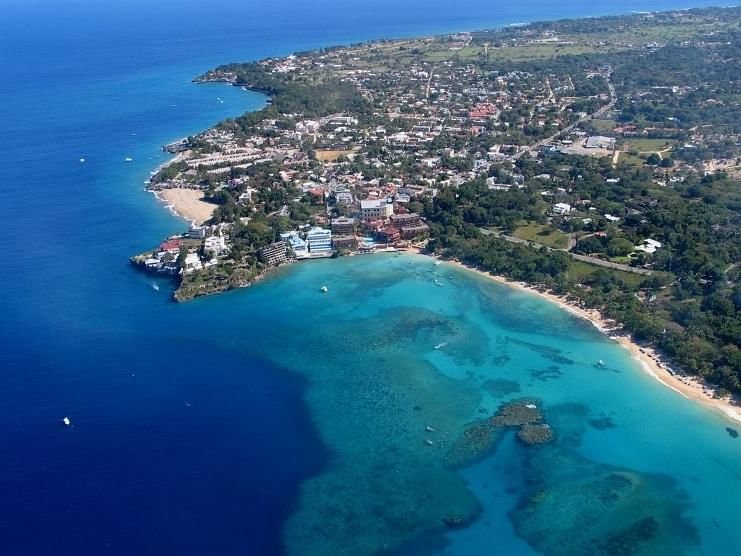
SOSÚA
Sheltered Bays & Coastal Living
Sosúa lies east of Puerto Plata and combines protected bays, beaches and residential communities close to the coast. Temperatures remain warm throughout the year, with coastal breezes helping move air through many hillside and seaside areas.
Warm year-round • Coastal breezes • Protected bays
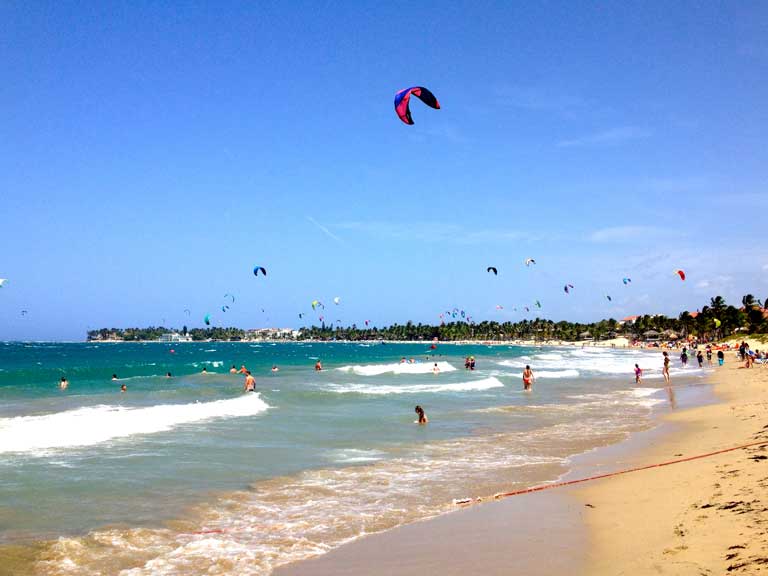
CABARETE
Trade Winds & Beach Lifestyle
Cabarete is particularly well known for the Atlantic trade winds that have made the area internationally recognized for windsurfing and kiteboarding. The same coastal airflow is an important part of everyday outdoor life around the community.
Atlantic trade winds • Beachfront living • Outdoor lifestyle
Same Climate. Different Micro-Locations.
Weather can vary even over relatively short distances on the North Coast. A beachfront property, hillside villa and home sheltered behind surrounding terrain may experience different amounts of breeze, cloud cover and rainfall on the same day.
That’s why the exact location of a property often matters more to everyday comfort than whether its address says Puerto Plata, Sosúa or Cabarete.
LIVING IN THE CLIMATE
What Is the Weather Like for Living on the North Coast?
Weather feels very different when you live somewhere rather than visit for a week. On the North Coast, the tropical climate shapes the way homes are designed, how people use their outdoor spaces and even the rhythm of everyday life.
With warm temperatures throughout the year, there is no winter season that forces life indoors for several months. Terraces, pools, gardens and outdoor dining areas become extensions of the home rather than amenities used only during part of the year.
Daily life also adapts naturally to the climate. Homes are designed to capture breezes, covered terraces provide shade from the midday sun and tropical showers, and air conditioning can be used where and when it is most useful.
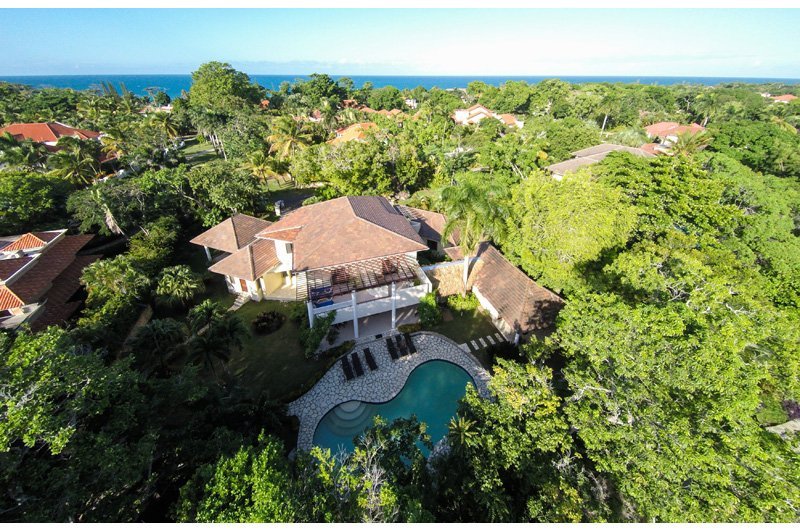
A DIFFERENT WAY OF LIVING
The Outdoors Becomes Part of the Home
Pools Used Year-Round
Swimming pools aren’t something that need to be closed for winter. They remain part of everyday home life throughout the year.
Terraces Become Living Rooms
Covered terraces provide shade and shelter while allowing meals, entertaining and relaxing to happen outdoors.
Homes Open to the Breeze
Large doors, windows, ceiling fans and open living areas allow homes to take advantage of natural coastal airflow.
Gardens Stay Green
Warm temperatures and tropical rainfall support lush landscaping throughout the year rather than a short growing season.
No Winter Season to Plan Around
Perhaps the biggest difference for people moving from Canada, the northern United States or Europe is not simply that the North Coast is warmer. It is that there is no winter season that fundamentally changes how you live.
There is no winter need to close the pool, store the patio furniture or wait several months to enjoy the outdoors again. Weather still changes—there are hotter days, wetter periods, breezy afternoons and occasional tropical downpours—but outdoor living remains part of normal life throughout the year.
Here, outdoor living isn't a season. It's part of everyday life.
DOMINICAN REPUBLIC WEATHER FAQ
Frequently Asked Questions About Dominican Republic Weather
Planning a trip, considering a move or thinking about buying property? Here are quick answers to some of the most common questions about weather and climate in the Dominican Republic and along the North Coast.
What is the weather like in the Dominican Republic year-round?
The Dominican Republic has a warm tropical climate throughout the year. On the North Coast around Puerto Plata, Sosúa and Cabarete, average daytime highs generally range from about 26°C / 79°F during the coolest months to around 30°C / 86°F during the warmest months. There is no true winter season.
What is the coldest month in the Dominican Republic?
January and February are among the coolest months on the North Coast, with average daytime highs around 26°C / 79°Fand average lows around 22°C / 71°F in the Puerto Plata climate data used on this page.
What is the hottest month in the Dominican Republic?
On the North Coast, the warmest period generally occurs from June through September, when average daytime highs around Puerto Plata reach approximately 30°C / 85–86°F.
When is the rainy season in the Dominican Republic?
There is no single rainy season that applies equally to the entire Dominican Republic. On the North Coast, rainfall generally increases during the fall and early winter, while summer is comparatively drier. In the Puerto Plata climate data used on this page, July is the driest month and November the wettest.
Does it rain all day during the rainy season?
Not necessarily. A “rainy day” simply means measurable precipitation occurred at some point during the day. Tropical rainfall can occur in shorter periods with sunshine and normal outdoor weather before or afterward.
How humid is the Dominican Republic?
The Dominican Republic is tropical and therefore humid, but relative humidity changes substantially throughout the day. It is generally higher overnight and around sunrise and lower as daytime temperatures rise. On the North Coast, Atlantic trade winds and coastal breezes also help make warm conditions feel more comfortable.
When is hurricane season in the Dominican Republic?
The official Atlantic hurricane season runs from June 1 through November 30, with Atlantic activity historically peaking around September. However, hurricane-season dates cover the entire Atlantic basin and do not mean a hurricane will affect the Dominican Republic—or a particular part of the country—during that period.
Do hurricanes hit Puerto Plata, Sosúa or Cabarete?
Historical hurricane landfall records show no direct hurricane landfall on the Puerto Plata–Sosúa–Cabarete section of the North Coast during the 100-year period from 1926 through 2025. The area can still experience rain, wind or rough seas from storms passing elsewhere, and historical absence does not mean a future hurricane is impossible.
What is the best time of year to visit the Dominican Republic?
It depends on what you prefer. December through February offers slightly cooler temperatures, while June through August is warmer and comparatively drier on the North Coast. Beaches, pools and outdoor activities remain possible throughout the year.
Is the Dominican Republic warm enough to swim year-round?
Yes. North Coast air temperatures remain warm throughout the year, and beaches and swimming pools are used year-round. There is no winter swimming season comparable with northern climates.
EXPERIENCE THE NORTH COAST
Could You See Yourself Living Here?
Warm weather year-round, outdoor living, tropical surroundings and some of the Dominican Republic’s most established residential communities—the North Coast offers a lifestyle that’s difficult to understand from climate statistics alone.
If you’re considering a home, investment property or a move to the Dominican Republic, Wildefire can help you explore the communities and properties that fit the way you want to live.